Popular Dive Sites Around Koh Tao
Koh Tao, Thailand is one of the most famous scuba diving destinations in the world. With over 25 dive sites around the island, it offers something for every level of diver — from beginners to advanced and professional training. The island is especially known as a training hub for PADI Divemasters and Instructors, making it one of the best places to learn, practice, and explore underwater.
In this complete guide, we’ll explore all the dive sites around Koh Tao, what makes each one unique, and why divers from all over the world choose Koh Tao for their scuba diving journey.
Best for Beginners
Koh Tao is one of the world’s most popular places to learn diving thanks to calm bays and sandy bottoms. These sites provide gentle conditions, shallow depths, and plenty of marine life for new divers to build confidence.
Top beginner sites:
- Japanese Gardens – shallow coral gardens, perfect for training and snorkeling
- Twins – sheltered pinnacles with sandy patches for skill practice
- Mango Bay – calm, clear bay ideal for first open water dives
- Aow Leuk – excellent visibility and easy access, with colorful reef fish
Best for Advanced Divers
For divers seeking challenge, Koh Tao offers deeper pinnacles and stronger currents. These sites allow advanced skills such as deep diving, navigation, and current management while rewarding divers with large pelagic encounters.
Top advanced sites:
- Chumphon Pinnacle – iconic deep site with whale shark potential
- Southwest Pinnacle – multiple pinnacles with soft corals and big schools
- Samran Pinnacles – offshore, strong currents, pelagic fish action
- Green Rock – caves, swim-throughs, and seasonal triggerfish territory
Best for Night Dives
After sunset, Koh Tao’s reefs transform. Nocturnal predators emerge, and divers often witness bioluminescence sparkling in the dark water. These sites are shallow, easy to navigate, and close to shore, making them perfect for night diving.
Top night dive sites:
- White Rock – the island’s most popular night dive, with stingrays and hunting barracuda
- Sairee Reef – calm site with bioluminescence, morays, and crustaceans
- Twins – sheltered, with active reef life after dark
Snorkeling Spots
Not all of Koh Tao’s reefs require a tank — several bays offer fantastic snorkeling with shallow coral gardens and frequent turtle encounters.
Best snorkeling sites:
- Shark Bay (Thian Og Bay) – famous for its green and hawksbill turtles
- Japanese Gardens – sheltered, colorful reef close to the beach
- Mango Bay – crystal-clear, shallow bay with reef fish schools
- Tanote Bay – corals close to shore and good visibility
Whale Sharks
One of the ultimate highlights of diving Koh Tao is the chance to see whale sharks. Sightings are seasonal, but when they happen, they’re unforgettable. These gentle giants often appear at deeper offshore pinnacles.
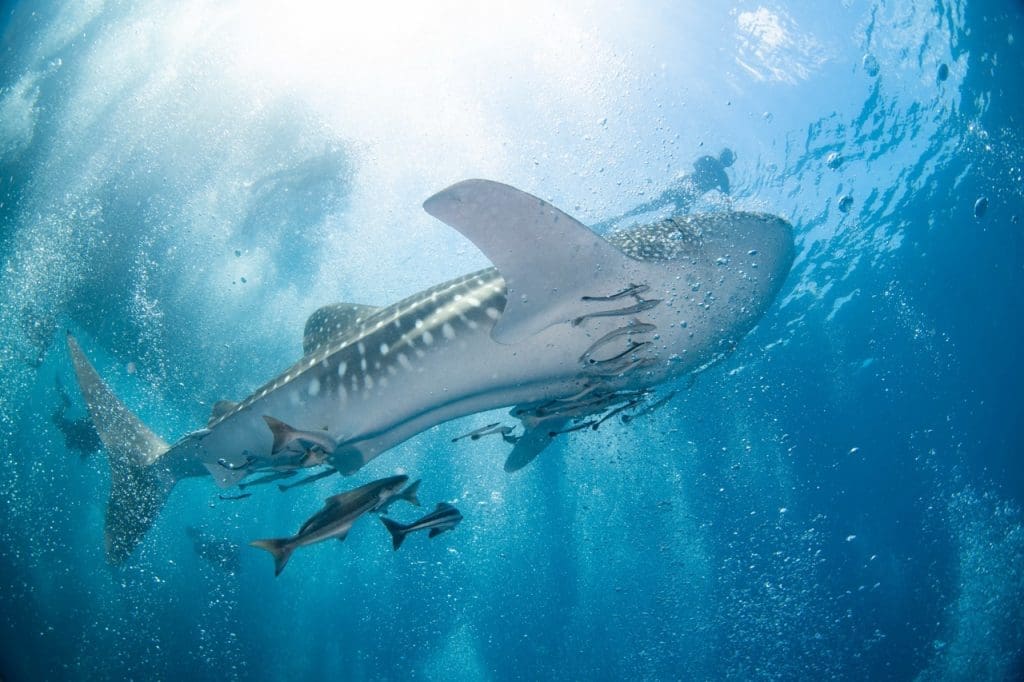
captured by Peachsnaps
Best sites for whale sharks:
- Chumphon Pinnacle – most frequent sightings
- Southwest Pinnacle – pelagic hotspot in migration season
- Shark Island – occasional visits during plankton blooms
Wreck Diving
Top wreck sites:
For those seeking history and adventure, Koh Tao is home to artificial reefs and purpose-sunk wrecks that attract fascinating marine life.
- HTMS Sattakut – 48-meter U.S. Navy landing craft, sunk in 2011, depth 18–30m
- Junkyard Reef – quirky artificial reef built from recycled materials, depth 5–12m
- Thai Poseidon Wreck – deeper wreck site, suitable for experienced divers
1. Sail Rock
Sail Rock is often regarded as one of the best dive sites in the Gulf of Thailand and a must-do for any diver visiting Koh Tao. Located halfway between Koh Tao and Koh Phangan, this towering granite pinnacle rises dramatically from the seabed to just above the surface. Its famous “Chimney” swim-through offers adventurous divers a thrilling passage from 18 meters to 6 meters. The site regularly attracts pelagic visitors, including whale sharks, making it an unforgettable experience. With schools of barracuda, trevally, and batfish, plus colorful corals and sponges, Sail Rock is a true underwater spectacle.
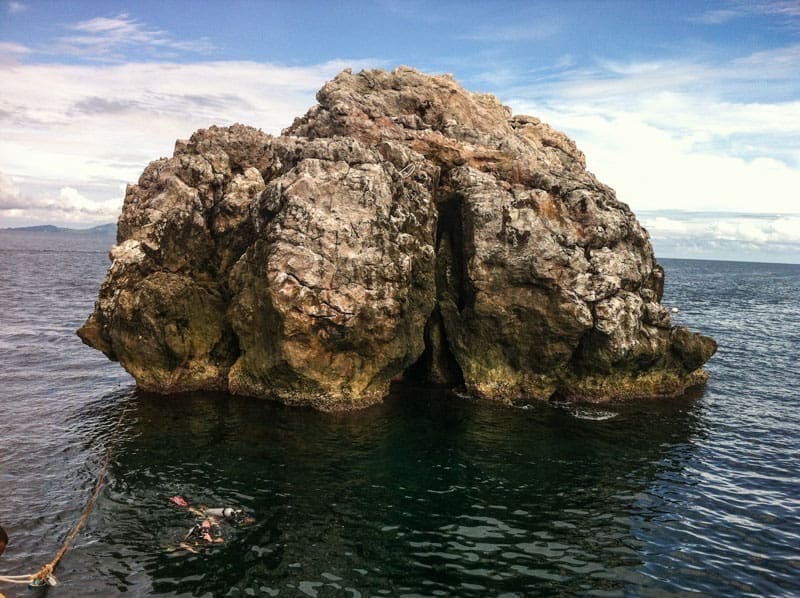
Highlights:
- Maximum depth ~30m
- Famous “Chimney” vertical swim-through
- Whale sharks and pelagic fish encounters
- Suitable for intermediate to advanced divers
2. Chumphon Pinnacle
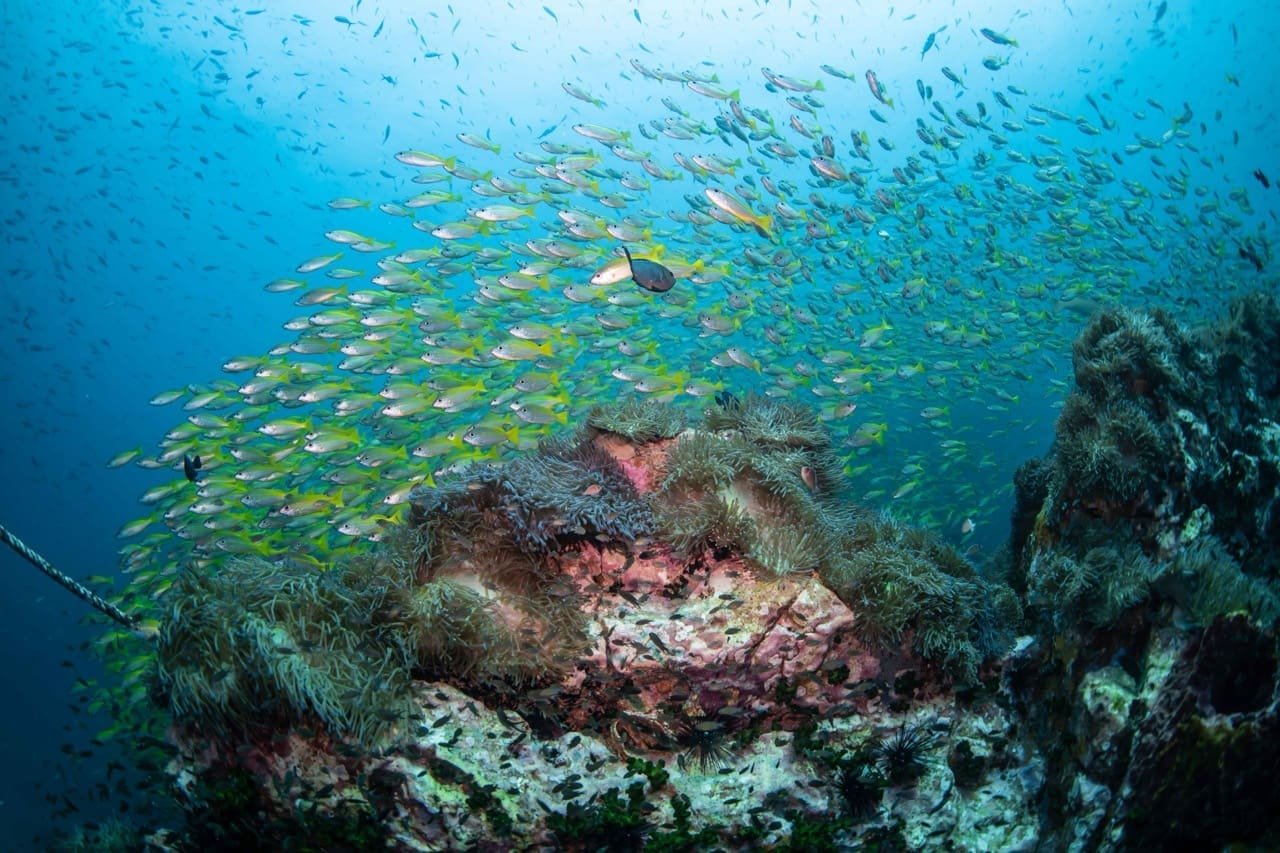
This is Koh Tao’s signature deep dive site and a favorite among advanced divers. A massive granite pinnacle starting at around 14 meters and dropping to depths beyond 35 meters, Chumphon is home to some of the largest marine life in the region. Divers frequently spot giant groupers, barracuda schools, and batfish. Whale sharks often cruise by during peak season. The site is blanketed with anemones, giving the rocks a vibrant, living carpet appearance. With occasional currents, it’s also a great place to practice advanced buoyancy and navigation.

captured by Peachsnaps
Highlights:
- Depth range 14–35m
- Carpeted with anemones
- Frequent whale shark sightings
- Great for deep dive training
3. Southwest Pinnacle
Located about 13 km southwest of Koh Tao, this dive site consists of multiple pinnacles rising from 30 meters up to 7 meters below the surface. The area is teeming with marine life: barracudas, groupers, batfish, and schools of fusiliers swirl around divers. The soft coral gardens here are some of the most beautiful in the Gulf. Advanced divers can explore deeper sections, while open water divers can enjoy the shallower pinnacles. It’s also a hotspot for whale shark sightings during the migration season.

captured by Peachsnaps
Highlights:
- Pinnacles from 7–30m deep
- Rich coral gardens and soft corals
- Whale sharks and schooling fish
- Popular advanced dive site
4. Shark Island
This small rocky islet on Koh Tao’s southeast side gets its name from its dorsal-fin-like shape, not from shark populations. The site is famous for dramatic underwater topography, with boulders, swim-throughs, and vibrant soft corals. Blacktip reef sharks and green turtles are occasional visitors. Divers can experience currents here, making it excellent training for drift and current management. The east side has colorful corals, while the west side features dramatic rocks and caves.
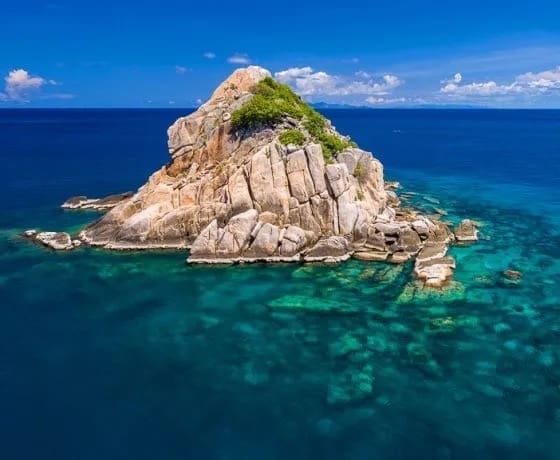
vibrant reefs and tropical fish
Highlights:
- Depth range 5–28m
- Blacktip reef sharks and turtles
- Colorful coral gardens and rocky swim-throughs
- Great for current training
5. White Rock
White Rock is one of Koh Tao’s most popular and versatile dive sites, suitable for all levels. The large granite boulders create an extensive area to explore, with depths ranging from 5 to 22 meters. It’s a perfect spot for night dives, where divers can spot barracudas, blue-spotted stingrays, and hunting predators. During the day, triggerfish, angel fish, and butterfly fish roam the reef. The variety of marine life combined with the easy conditions makes White Rock a must for divers of all levels.
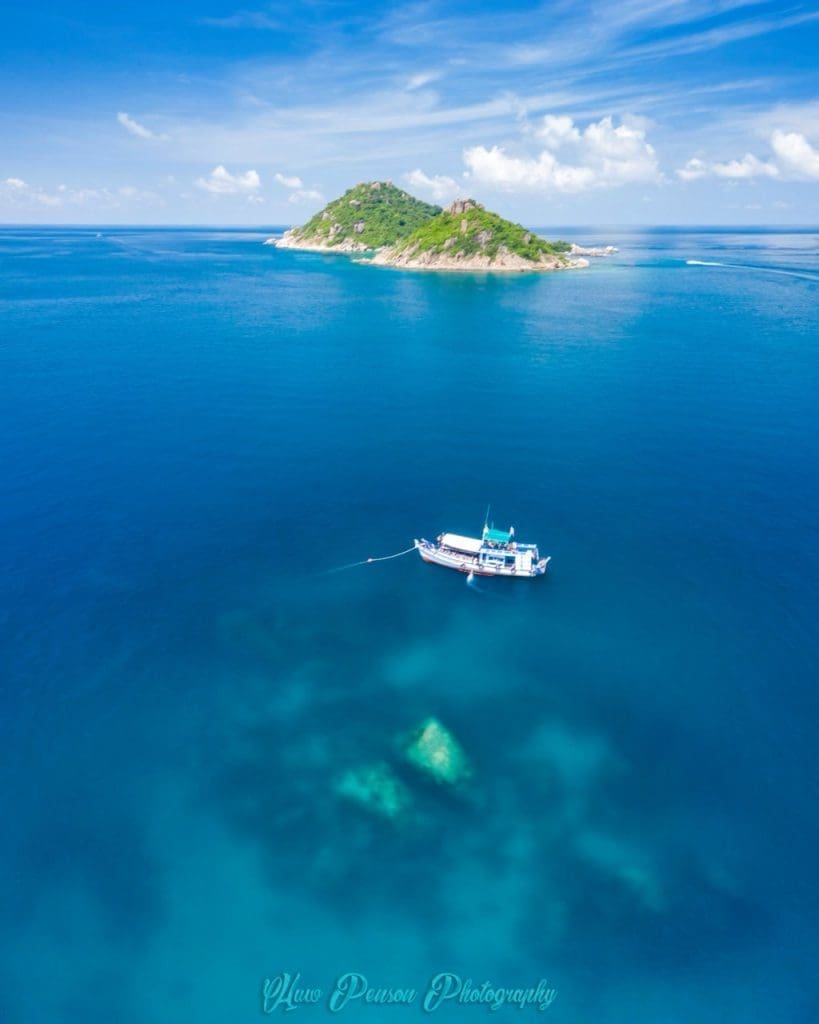
unforgettable night dive
Highlights:
- Depth 5–22m
- Great for night dives
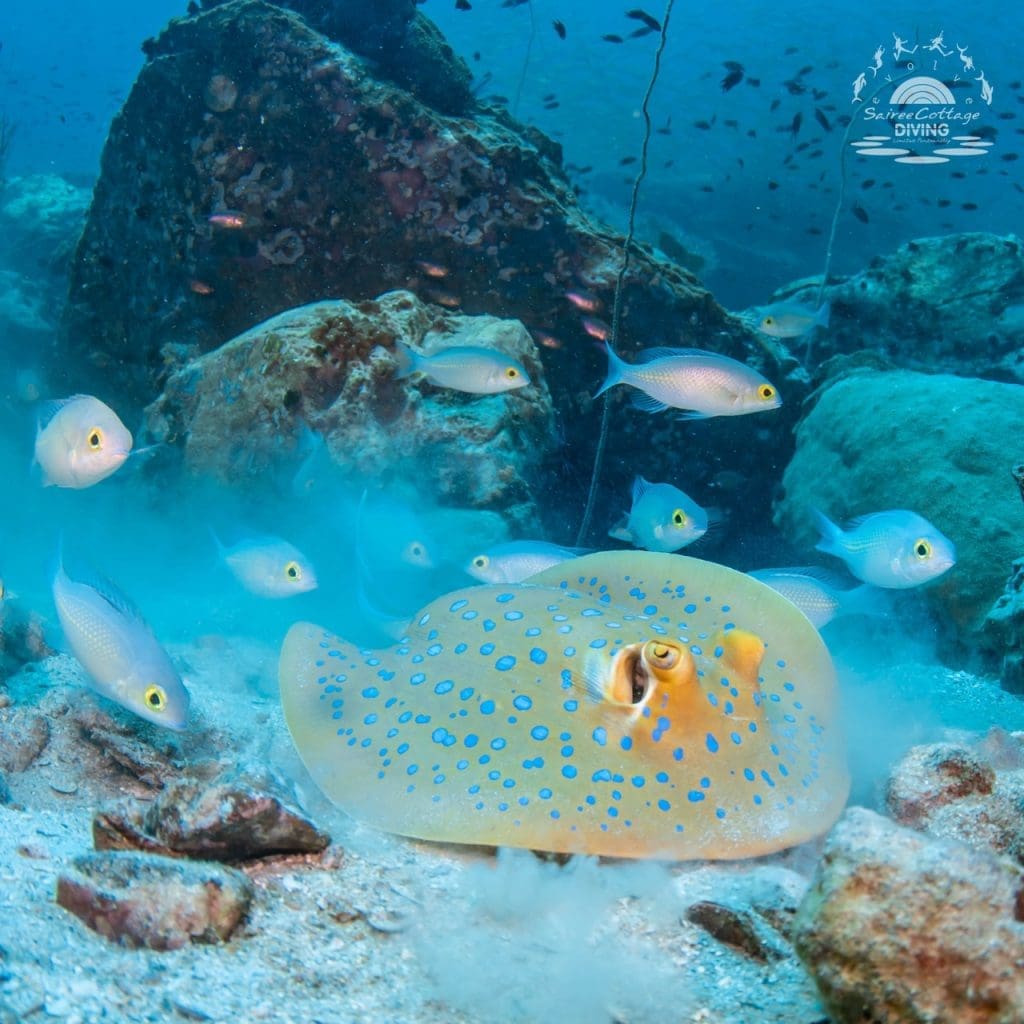
- Blue-spotted stingrays and reef fish
- Versatile training site
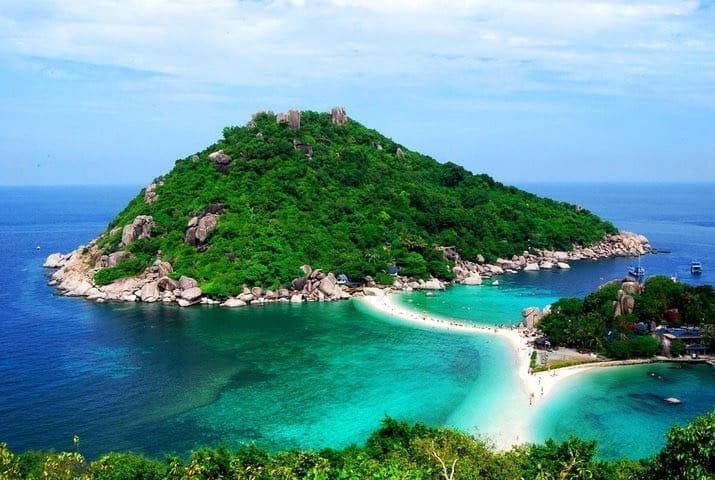
6. Twins (Koh Nang Yuan)
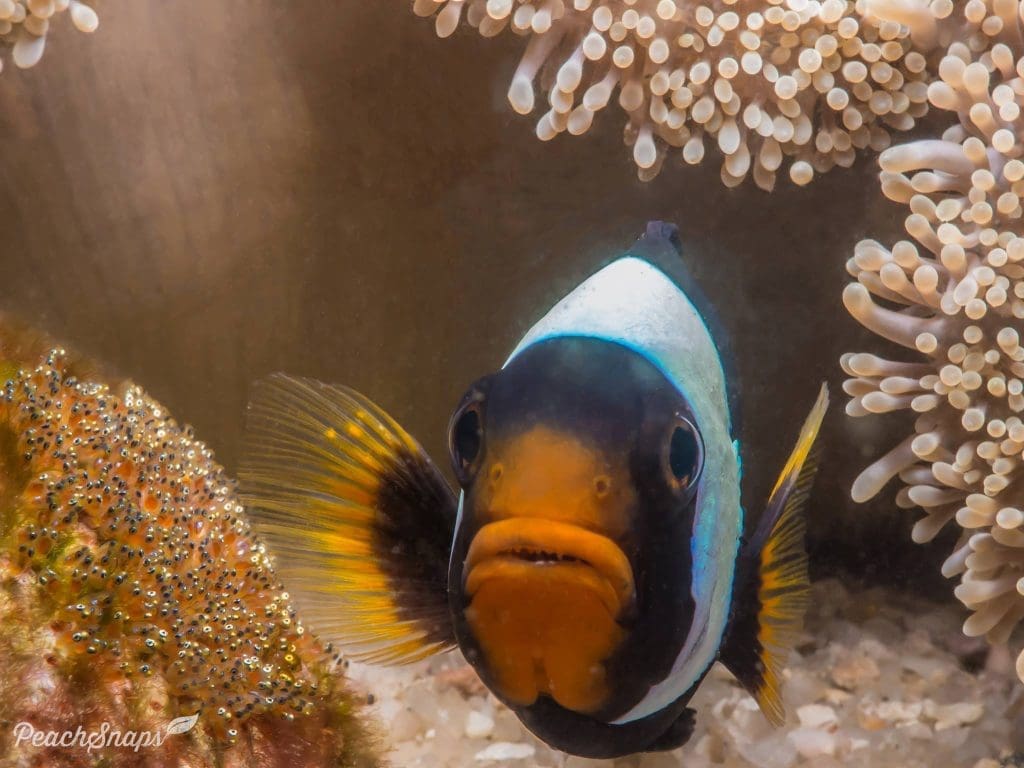
Located near Koh Nang Yuan, Twins consists of two (and a smaller third) coral-covered pinnacles separated by sandy channels. It’s a favorite site for training and beginner dives because of the shallow sandy patches perfect for skill practice. The western pinnacle hosts a “Nemo” clownfish family, always a favorite with divers. The site is sheltered, making it ideal year-round. Despite being beginner-friendly, Twins also offers interesting marine life such as moray eels, stingrays, and the occasional turtle.
Highlights:
- Depth 5–18m
- Ideal for beginners and training
- Clownfish “Nemo” family
- Sheltered and calm conditions
7. HTMS Sattakut (Wreck)
The HTMS Sattakut is a former U.S. Navy landing craft, deliberately sunk off Koh Tao in 2011 to create an artificial reef. Sitting between 18 and 30 meters, this wreck is perfect for advanced divers looking for wreck diving practice. The vessel is home to groupers, barracudas, and nudibranchs. Exploring its deck guns and hull makes it a thrilling experience, while marine growth continues to transform the wreck into a vibrant reef.
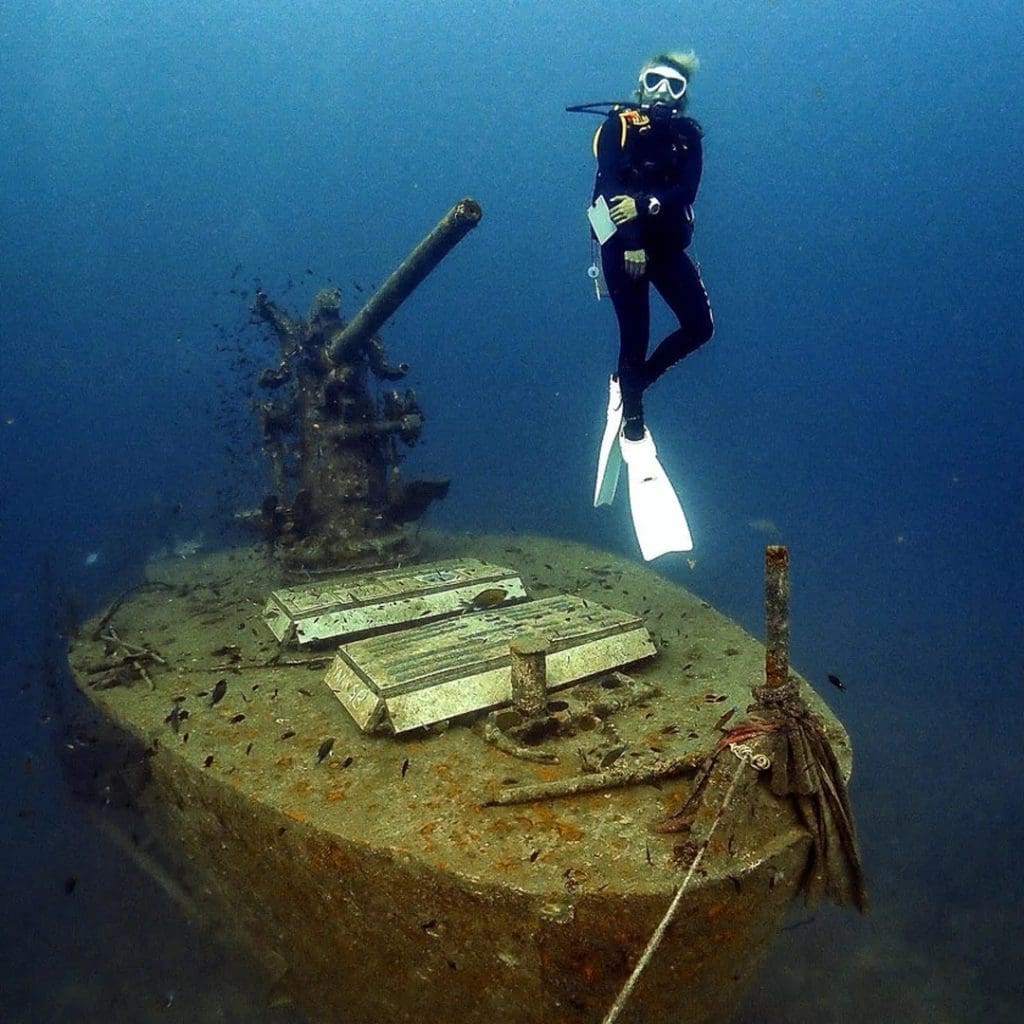
most exciting wreck dives
Highlights:
- Depth 18–30m
- Artificial reef wreck
- Home to barracuda, groupers, and nudibranchs
- Great for wreck training
8. Green Rock
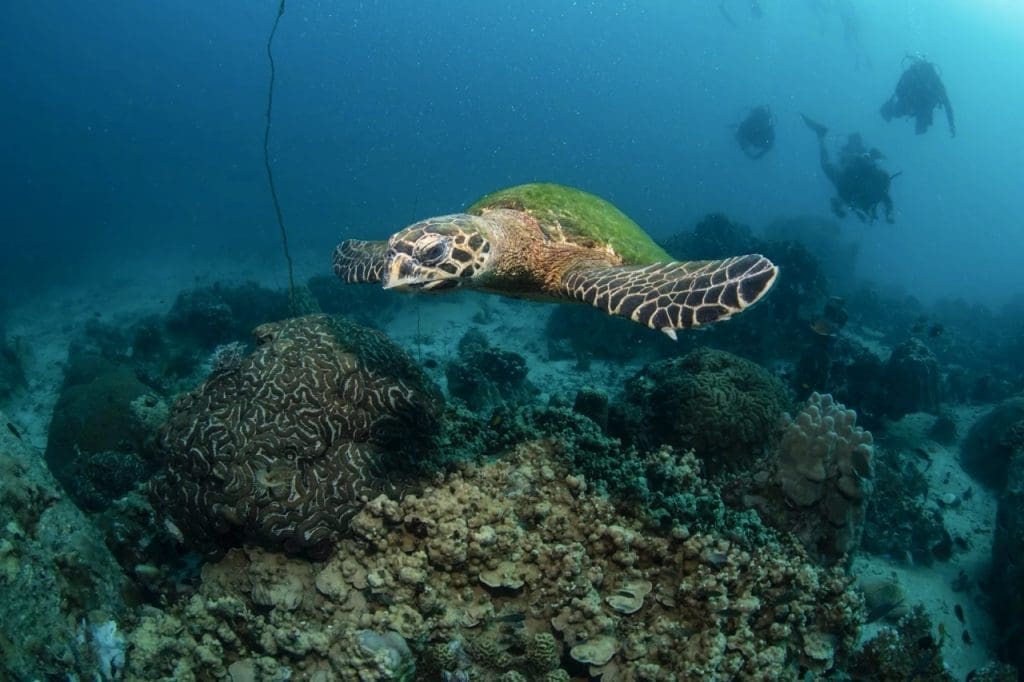
Green Rock offers adventurous dives with multiple swim-throughs and caves formed by huge granite boulders. The site is well-known for its triggerfish population during nesting season, providing a great lesson in diver awareness. Marine life includes trevallies, parrotfish, and moray eels. With depths of 5–28 meters, this site is suitable for intermediate divers and those wanting to challenge their navigation and buoyancy skills.
Highlights:
- Depth 5–28m
- Caves and swim-throughs
- Triggerfish territory
- Great for navigation practice
9. Japanese Gardens
This shallow bay at Koh Nang Yuan is ideal for beginners, snorkelers, and training dives. The sandy bottom and coral gardens create a safe, calm environment to learn. The site is home to butterflyfish, angelfish, and damselfish. Despite being beginner-friendly, the reef here is surprisingly rich, with coral bommies extending into deeper water for more experienced divers.
the occasional blue-spotted stingray captured by Peachsnaps
Highlights:
- Depth 2–16m
- Perfect for beginners and snorkelers
- Calm conditions and sandy bottom
- Colorful coral gardens
10. Ao Leuk
A picturesque bay on Koh Tao’s east coast, Ao Leuk has crystal-clear water and stunning coral gardens. Its gentle slope makes it suitable for all divers, and the reef is teeming with butterflyfish, wrasse, and the occasional turtle. It’s also great for macro photography, with plenty of nudibranchs and shrimps hiding among the corals.
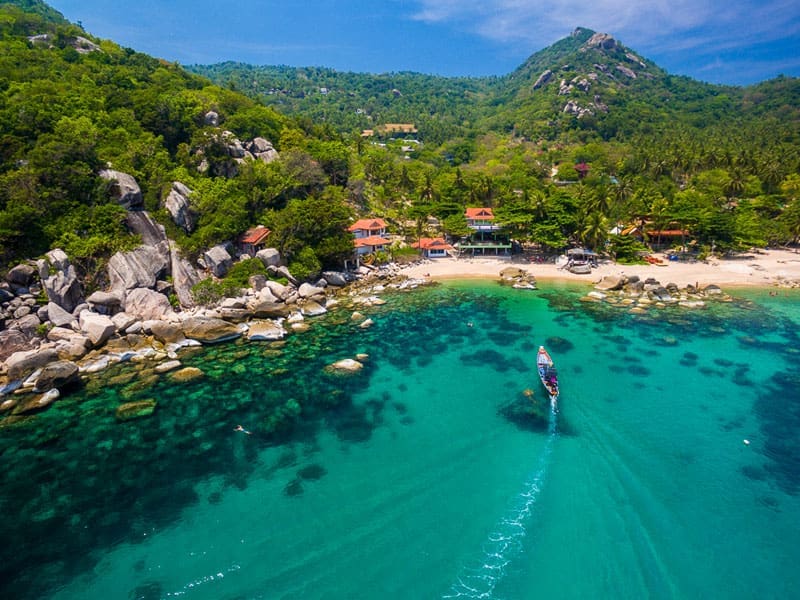
for beginners
Highlights:
- Depth 3–16m
- Great visibility
- Nudibranchs and macro life
- Occasional turtles
11. Hin Wong Pinnacle
Located off the northeast coast, Hin Wong Pinnacle is an advanced dive with dramatic granite formations covered in whip corals and giant sea fans. The site drops to more than 30m and attracts schooling fusiliers, trevally, and barracuda. Stronger currents often sweep across the site, making it a thrilling dive.
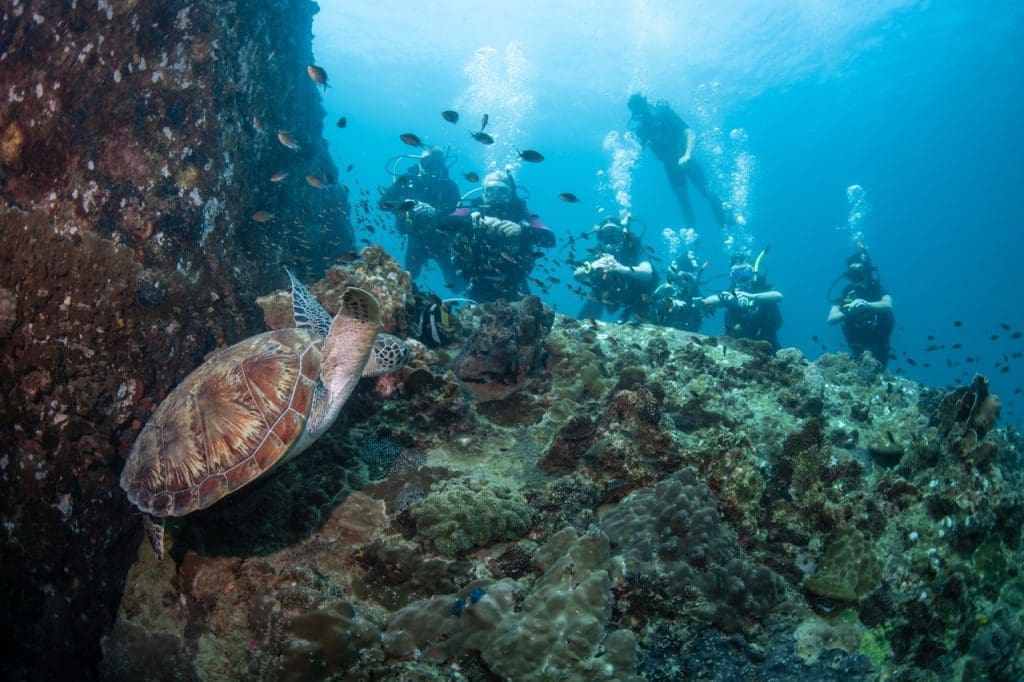
Highlights:
- Depth 10–32m
- Covered in whip corals and sea fans
- Schooling trevally and barracuda
- For experienced divers
12. Mango Bay
This shallow bay on the north side of Koh Tao is ideal for beginners and snorkelers. Its sandy bottom and coral bommies make it perfect for Open Water training. Marine life includes butterflyfish, rabbitfish, and the occasional blue-spotted stingray. Despite its simplicity, Mango Bay has excellent visibility and a vibrant reef.
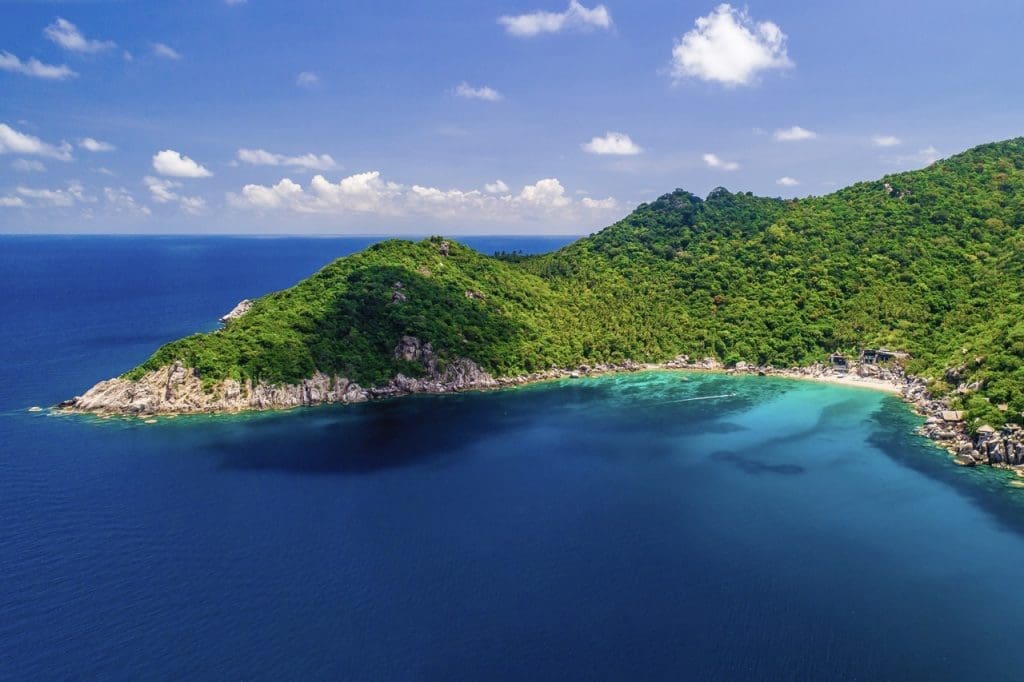
Highlights:
- Depth 2–14m
- Perfect training bay
- Blue-spotted stingrays
- Clear, calm water
13. Hin Pee Wee
Close to the wreck HTMS Sattakut, Hin Pee Wee features granite pinnacles and coral gardens with depths of 10–30m. This site is less crowded and home to batfish, barracuda, and large groupers. The combination of pinnacles and sandy patches makes it a versatile dive with good conditions for navigation exercises.
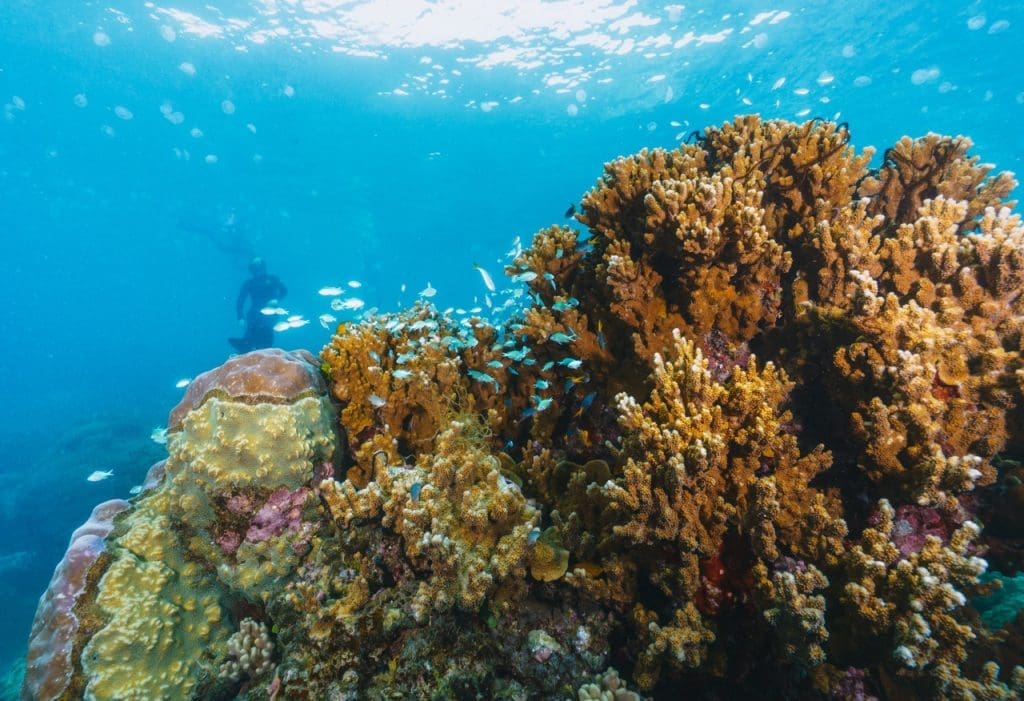
Highlights:
- Depth 10–30m
- Close to HTMS Sattakut wreck
- Barracuda and groupers
- Great for navigation practice
14. Laem Thian
Laem Thian is located on Koh Tao’s remote east coast and offers dramatic underwater topography. With swim-throughs, caves, and walls, it’s a playground for adventurous divers. Turtles, triggerfish, and schooling snapper are common. Its rugged nature and currents make it suitable for more experienced divers.

Highlights:
- Depth 5–25m
- Swim-throughs and caves
- Remote, uncrowded site
- Frequent turtle sightings
15. Lighthouse Bay
On Koh Tao’s northeast tip, Lighthouse Bay is a sheltered site perfect for training dives and night dives. The sandy bottom slopes gently into coral patches, where stingrays and moray eels are common. Its calm conditions make it a great backup site during rough weather elsewhere.

Highlights:
- Depth 3–18m
- Excellent training site
- Stingrays and moray eels
- Good night dive option
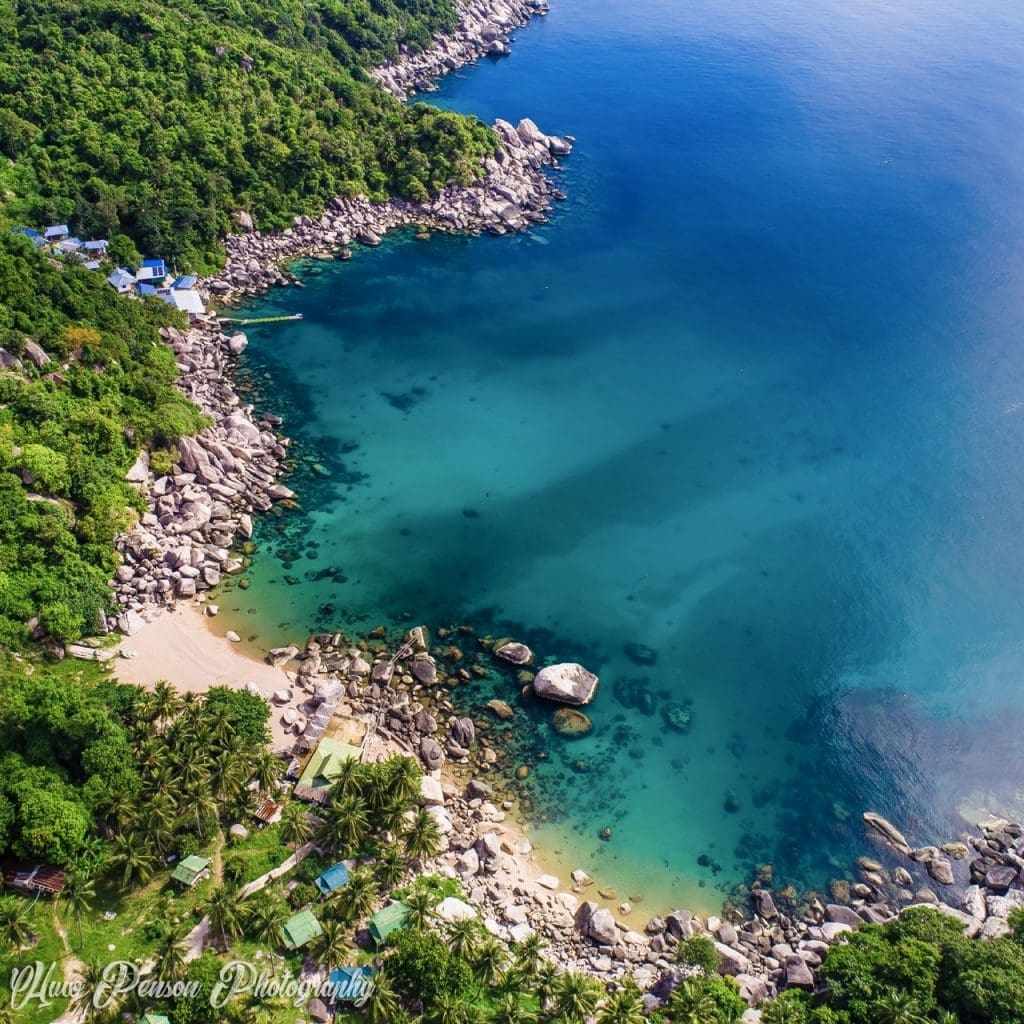
16. Ao Hin Wong Bay
Ao Hin Wong Bay lies on the northeast coast and offers a peaceful escape from busier dive spots. Its sandy bottom and scattered coral bommies make it excellent for relaxed exploration and beginner training. The bay is also known for its vibrant anemone fields and glassfish clouds that dance in the sunlight, creating a magical atmosphere.
Highlights:
- Depth 2–16m
- Beginner-friendly conditions
- Large anemone gardens
- Glassfish and reef fish schools
17. Tanote Bay
Tanote Bay is a scenic east-coast dive site with large boulders, swim-throughs, and thriving coral gardens. It is known for its underwater rock arch and dramatic topography, which create a sense of adventure for divers of all levels. Marine life includes parrotfish, angelfish, and the occasional blacktip reef shark cruising by the bay’s outer edges.
Highlights:
- Depth 3–20m
- Swim-throughs and rock arch
- Blacktip reef shark sightings
- Great for underwater photography
18. Sai Daeng Beach / Bay
Located near Shark Bay, Sai Daeng offers calm, shallow diving with stunning hard and soft corals. Its accessibility makes it popular for snorkeling and beginner dives, yet advanced divers can explore deeper reefs teeming with marine life. Green turtles are frequently seen grazing on seagrass beds near the sandy bottom.
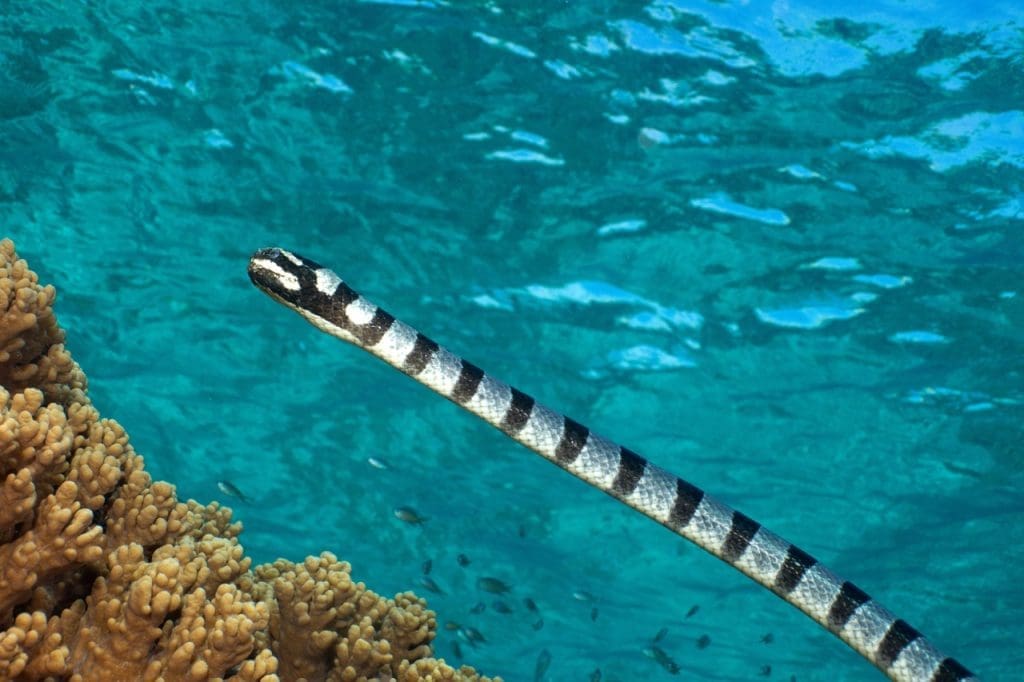
just off the bay
Highlights:
- Depth 2–18m
- Frequent green turtle encounters
- Beautiful hard and soft corals
- Calm conditions ideal for snorkelers and beginners
19. Ao Leuk South
This extension of Ao Leuk Bay offers a quieter dive with fewer crowds. The shallow sandy slope is home to butterflyfish, wrasse, and rabbitfish, while the deeper areas host whip corals and barrel sponges. It’s a great spot for underwater photographers looking to capture macro life such as nudibranchs and shrimps.

Highlights:
- Depth 3–18m
- Macro life photography
- Whip corals and sponges
- Calm, beginner-friendly dive
20. Aow Mao (Mao Bay)
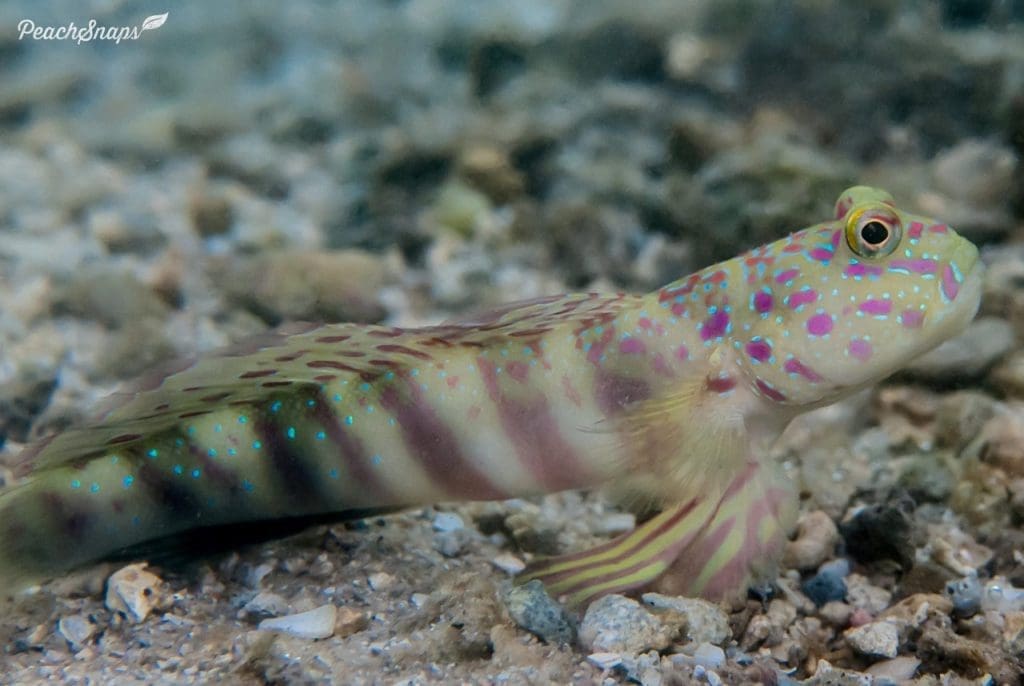
Mao Bay on Koh Tao’s west coast is less frequently visited, giving divers the feeling of discovery. The coral reefs here are healthy and vibrant, with schools of fusiliers, butterflyfish, and the occasional hawksbill turtle. It’s also a popular site for training dives thanks to its calm surface conditions.
Highlights:
- Depth 4–18m
- Healthy coral reefs
- Hawksbill turtles
- Ideal for training dives
21. Samran Pinnacles
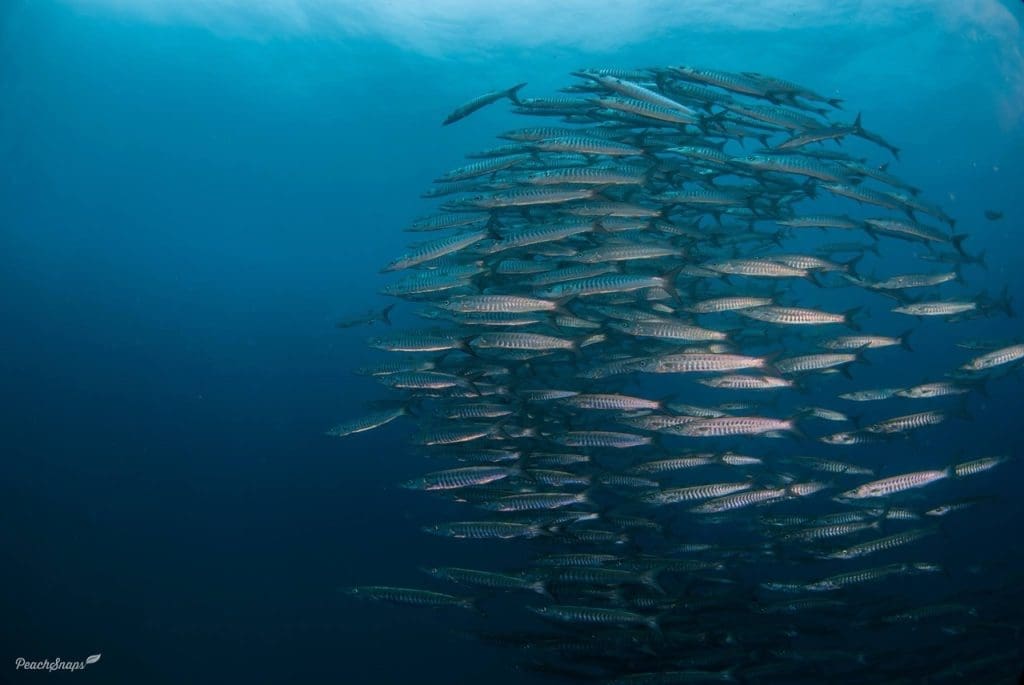
Samran Pinnacles is an advanced dive site located further offshore. It features three submerged pinnacles that rise from deep water, often swept by strong currents. This site attracts schools of trevally, barracuda, and sometimes giant groupers. Its raw energy and pelagic life make it a thrilling dive for experienced divers.
Highlights:
- Depth 15–30m+
- Strong currents for drift diving
- Schooling trevally and barracuda
- For advanced divers only
22. Pottery Pinnacle
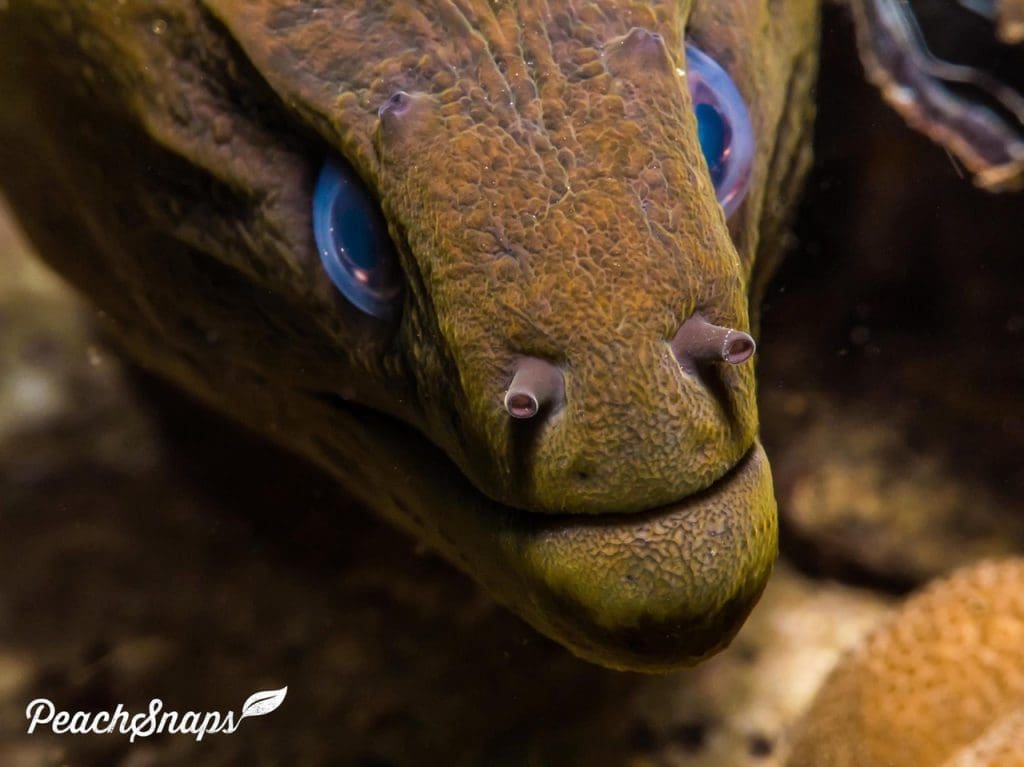
Named after a sunken pottery kiln found in the area, Pottery Pinnacle is a small site with big surprises. Its boulder formations are covered in whip corals and sponges, providing a haven for lionfish, moray eels, and scorpionfish. It’s a great macro site where keen-eyed divers can find nudibranchs and pipefish.
Highlights:
- Depth 8–22m
- Excellent macro opportunities
- Lionfish and scorpionfish
- Small site with unique topography
23. Red Rock (Nang Yuan Pinnacle)
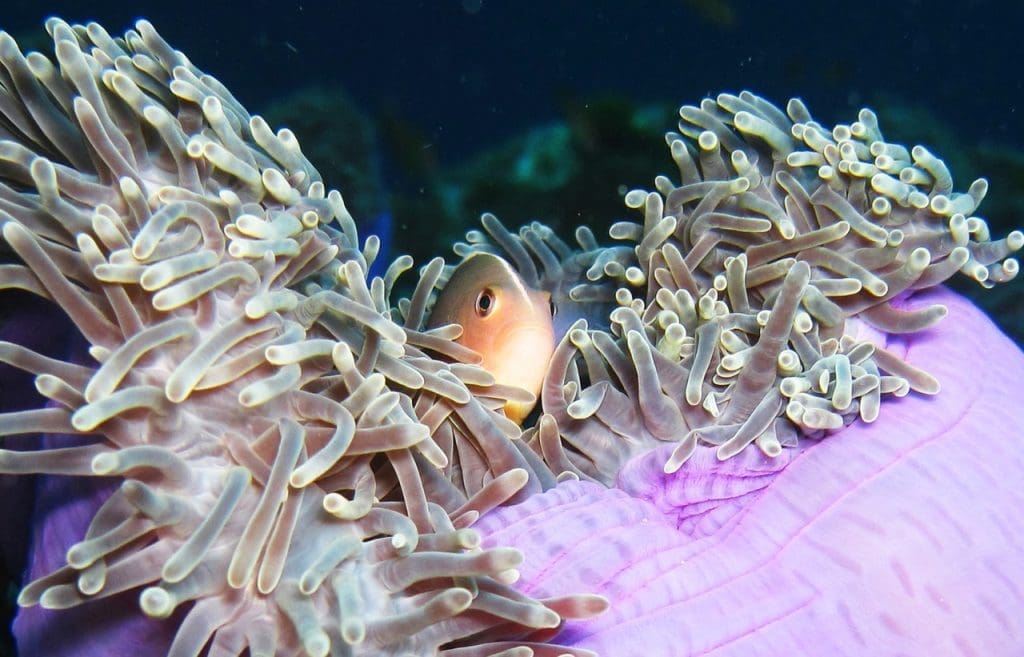
Red Rock lies just north of Nang Yuan Island and is often combined with a drift dive through Nang Yuan Cave leading into Japanese Gardens. The pinnacle rises from 18m to 2m and is covered in soft corals, whip corals, and sponges. It’s a scenic site with swim-throughs and great marine diversity.
Highlights:
- Depth 2–18m
- Drift dive option to Nang Yuan Cave
- Colorful corals and sponges
- Great for combining with Japanese Gardens
24. Sairee Reef
Sitting just off Koh Tao’s longest beach, Sairee Reef is a broad, easy-going site that’s ideal for relaxed afternoon dives, training, and night dives. A mix of low coral bommies, scattered boulders, and sandy patches creates gentle contours that are perfect for practicing buoyancy and navigation. Expect friendly schools of fusiliers and butterflyfish weaving through hard corals, with blue-spotted stingrays resting in the sand and occasional cuttlefish cruising the shallows. After sunset the reef comes alive—crustaceans, hunting barracuda, and bioluminescence make Sairee a favorite for first-time night divers and photographers alike.

and stingrays
Highlights:
- Depth 4–16m (very beginner-friendly)
- Wide sandy areas for skills + buoyancy practice
- Common sightings: blue-spotted stingrays, cuttlefish, batfish, morays
- Excellent for sunset and night dives with bioluminescence
- Close to shore for quick access and flexible scheduling
25. Shark Bay (Thian Og Bay)
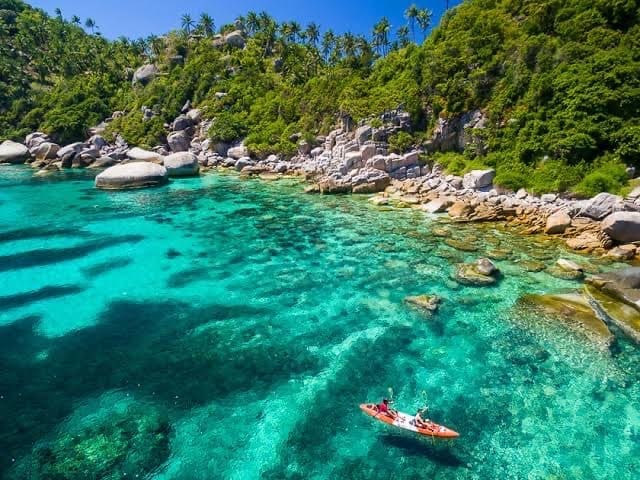
Famous for its population of green and hawksbill turtles, Shark Bay is a shallow, sandy-bottomed bay perfect for snorkeling and easy dives. Despite its name, reef sharks are rarely seen here today, but the turtles remain the main attraction. The seagrass beds also host rabbitfish and other grazers.
Highlights:
- Depth 2–10m
- Frequent turtle sightings
- Seagrass meadows with fish life
- Ideal for snorkeling and beginner divers
26. Junkyard Reef
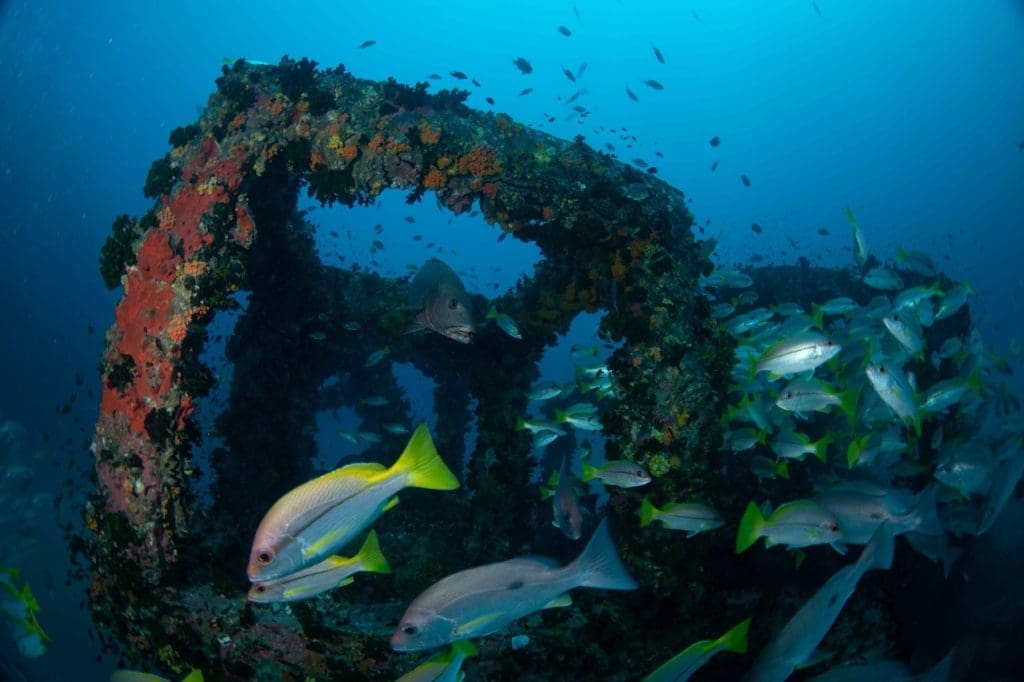
Junkyard Reef is another artificial dive site created from purpose-sunk structures such as toilets, gym equipment, and other unusual items. It has become a thriving artificial reef, home to schools of batfish, lionfish, and even artificial coral restoration experiments. It’s quirky, fun, and a great training site.
Highlights:
- Depth 5–12m
- Artificial reef built from recycled materials
- Batfish, lionfish, and coral restoration
- Unique and quirky site popular with instructors
FAQ – Koh Tao Dive Sites
What are the best dive sites on Koh Tao for beginners?
Japanese Gardens, Twins, Mango Bay, and Aow Leuk are ideal for beginners thanks to calm conditions, shallow depths, and gentle sandy slopes.
Which dive sites are best for advanced divers?
Chumphon Pinnacle, Southwest Pinnacle, Samran Pinnacles, and Green Rock are best for advanced divers due to stronger currents, deeper depths, and more challenging topography.
Can you see whale sharks while diving on Koh Tao?
Yes, whale sharks are occasionally spotted at Chumphon Pinnacle, Southwest Pinnacle, and Shark Island, especially during April–May and September–October.
What marine life can I expect to see on Koh Tao?
Expect turtles, reef sharks, barracudas, batfish, moray eels, nudibranchs, and colorful reef fish. Larger pelagics such as whale sharks are seasonal visitors.
How many dive sites are there around Koh Tao?
Koh Tao has around 25–30 dive sites, ranging from shallow sandy bays to deep pinnacles and wreck dives, offering something for all levels of divers.
Which is the most famous dive site on Koh Tao?
Chumphon Pinnacle is considered the most iconic dive site on Koh Tao, famous for its schooling barracudas, trevallies, and occasional whale shark encounters.
Can beginners dive at Chumphon Pinnacle?
Chumphon Pinnacle is generally recommended for advanced divers due to its depth and strong currents, though beginners may join with an experienced guide and favorable conditions.
Is there a wreck dive on Koh Tao?
Yes, the HTMS Sattakut wreck is one of Koh Tao’s highlights. It sits at 18–30 meters and is excellent for wreck diver training and exploration.
What is Buoyancy World on Koh Tao?
Buoyancy World is an artificial reef and training site with underwater structures where divers can practice buoyancy skills in a safe, controlled environment.
Are there night dives available on Koh Tao?
Yes, popular night dive sites include White Rock and Twins. At night, divers often see hunting barracuda, moray eels, and bioluminescence.
What’s the best season to dive on Koh Tao?
Diving is possible year-round, but March–May and July–September are considered peak seasons for visibility and calm conditions.
How deep are the dive sites on Koh Tao?
Depths range from 2–10m in beginner-friendly bays like Mango Bay, to 30m+ at advanced sites such as Chumphon Pinnacle and Samran Pinnacles.
Can snorkelers enjoy Koh Tao dive sites too?
Yes, sites like Shark Bay, Mango Bay, Tanote Bay, and Japanese Gardens are excellent for snorkeling, with shallow reefs and frequent turtle sightings.
Do I need advanced certification to dive on Koh Tao?
Most dive sites are accessible with an Open Water certification, but some deeper or more challenging sites (like Chumphon Pinnacle) are recommended for Advanced divers.